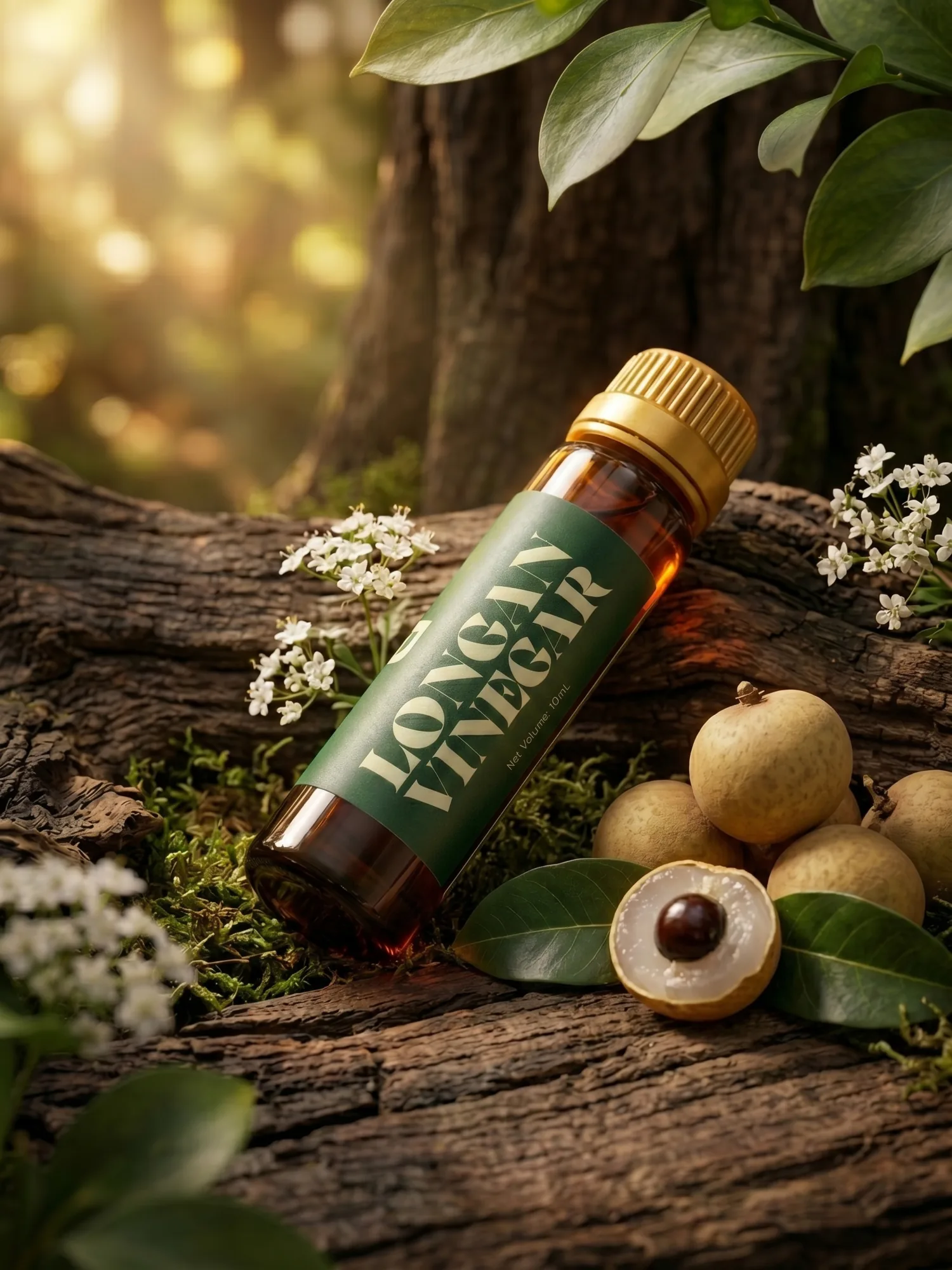

We tend to file the world's healing traditions into separate boxes: Chinese medicine here, Indian Ayurveda there, Indonesian Jamu somewhere else. But spend time with all three and the boundaries blur. They are dialects of the same language.
A shared first principle
Each tradition begins from the same place: health is balance, and illness is balance lost. TCM speaks of qi and the harmony of organ systems. Ayurveda describes the three doshas. Jamu, the herbal medicine of the Indonesian archipelago, works with warming and cooling foods and botanicals passed down through families.
Different words, one instinct — treat the whole person, and treat them daily, through food and ritual, not only in crisis.
Tradition as a cousin science
It's tempting to frame tradition and science as rivals. We don't. We treat traditional knowledge as a cousin science — a vast, centuries-long observational dataset about which plants do what, refined across millions of people and generations.
The lab's job isn't to overrule that knowledge. It's to test it, standardise the dose, and verify the purity — so that an old remedy can be trusted with modern confidence.
- TCM — balance of qi and organ systems; the home of longan.
- Ayurveda — the doshas and daily routine (dinacharya).
- Jamu — Indonesia's living, family-passed herbal practice.
We don't ask tradition and science to compete. We ask them to corroborate each other.
Arka draws from all three not as a marketing flourish, but because they so often agree. When three independent traditions and a peer-reviewed study all point at the same plant, that's not coincidence — that's a signal.
- TCM, Ayurveda and Jamu share a belief in whole-body balance.
- All three favour daily, food-based prevention.
- We treat tradition as observational data for the lab to verify.